

Canberra Laundry Renovation: Common Mistakes and How to Avoid Them
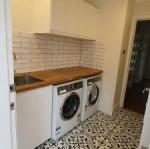
Renovating a laundry space might seem like a small project, but it involves careful planning, smart layout decisions, and the right materials. A well-designed laundry can make everyday tasks easier and add significant value to your home. However, many homeowners discover too late that a rushed or poorly planned renovation leads to ongoing frustrations or expensive corrections.
If you're planning a laundry renovation in Canberra, understanding the most common mistakes can help you avoid unnecessary stress, delays, and wasted costs. Below, we break down the pitfalls many homeowners encounter and how to avoid them.
Why Laundry Renovations Require Careful Planning
The laundry is often one of the most multifunctional spaces in a home. It may be used for:
- Washing and drying clothes
- Storing cleaning supplies
- Handling pet care tasks
- Managing linen and seasonal items
Because of these varied uses, the layout, ventilation, and electrical and plumbing setup must work together seamlessly. Proper planning ensures the space is functional, not just visually appealing.
Common Mistakes to Avoid When Renovating a Laundry
1. Choosing Form Over Function
A visually stunning laundry room is great, but only if it works efficiently. Many homeowners prioritise aesthetic trends without considering workflow.
Avoid this mistake by:
- Planning your layout based on tasks: washing → drying → folding → storage
- Allowing enough counter space for folding and sorting
- Ensuring commonly used items are within easy reach
Tip: Think of how you already use the space. Design should support habits, not fight them.
2. Not Allowing Enough Storage
Laundry products, cleaning tools, brooms, ironing boards, and linens require dedicated space. Without proper planning, surfaces become cluttered.
Avoid this mistake by:
- Including tall cabinets for mops and vacuums
- Installing overhead cupboards above the washer and sink
- Adding pull-out hampers or built-in laundry baskets
Storage may not feel exciting, but it's one of the most important features in a laundry space.
3. Poor Ventilation and Moisture Control
Moisture and steam from washers, dryers, and sinks can lead to mold, odours, and damage to cabinetry if not managed well.
Avoid this mistake by:
- Including proper exhaust fans or dryer venting
- Considering windows or cross-ventilation where possible
- Using moisture-resistant paint and materials
A laundry that breathes well lasts longer and feels fresher.
4. Underestimating Lighting Needs
Lighting isn't just decorative, it's essential for sorting clothes, reading care labels, and using appliances safely.
Avoid this mistake by:
- Combining overhead lighting with task lighting
- Installing LED strips under cabinets for folding areas
- Choosing lighting with a daylight tone to help spot stains
Good lighting makes the space both practical and enjoyable.
5. Choosing Wrong Materials
Laundry areas are exposed to moisture, detergents, and heat. Using low-quality or unsuitable materials can lead to swelling, rust, or discolouration.
Avoid this mistake by:
- Using water-resistant cabinetry and paint
- Choosing tiles or vinyl flooring over timber
- Selecting high-quality fixtures designed for wet areas
Investing in durable materials prevents repairs later.
6. Ignoring Appliance Measurements
Not leaving enough room for appliances or future upgrades, is surprisingly common. Washing machines and dryers vary in size, and some require clearance for hoses, pipes, and airflow.
Avoid this mistake by:
- Measuring appliances before building cabinetry
- Leaving space for future replacements
- Ensuring plumbing and electrical outlets align correctly
Planning appliance space early saves costly rework.
7. Forgetting Workflow and Accessibility
Placing a washer and dryer in awkward locations or stacking appliances without considering height and reach can make everyday use inconvenient.
Avoid this mistake by:
- Ensuring appliances and drawers open without obstruction
- Placing the sink close to the washing machine for easy connection
- Considering bench height and ergonomic access
A well-designed laundry should make tasks effortless not frustrating.
How to Ensure a Successful Laundry Renovation
If you want a smooth renovation experience, take time to:
- Create a clear design plan
- Consult with a builder or designer early
- Balance functionality, storage, and style
- Set a realistic budget and timeline
A thoughtful approach helps avoid mistakes and creates a space that feels seamless and efficient.
Conclusion
A laundry renovation may seem straightforward, but without proper planning, it can become costly and inconvenient. By avoiding the common mistakes above and focusing on functionality, ventilation, storage, and smart design choices, you can create a practical and stylish laundry that supports everyday use.
If you're ready to plan your next renovation project, Canberra Tiling Company can help bring your vision to life.
Frequently Asked Questions
1. How long does a laundry renovation usually take?
Most laundry renovations take 2–4 weeks, depending on the size of the space, material availability, and whether plumbing or electrical layouts need updating.
2. What is the average cost of a laundry renovation in Canberra?
Costs can vary, but homeowners typically spend between $6,000 and $18,000, depending on materials, appliances, and custom cabinetry.
3. Is it better to stack or place laundry appliances side by side?
Both options work, but stacking saves space, while side-by-side layouts allow for benchtop folding space and easier access.
4. Do I need council approval for a laundry renovation?
Most standard laundry renovations do not require council approval, unless structural changes or major plumbing relocation is involved.
5. What flooring is best for laundry rooms?
Tiles or waterproof vinyl flooring are ideal because they are durable, slip-resistant, and moisture-proof.